





Inaugural Conference for Asia-Pacific Psychedelic Science
Melbourne, Australia
The conference at a glance
89days to go
- Workshops
- Conference
Shaping the future of psychedelic science and practice in the Asia-Pacific
Join us for three days of keynotes, symposia, networking, and social events spanning research, clinical practice, policy, and ethics. Optional pre-conference workshops. Learn from and connect with leading researchers, clinicians, policymakers, and practitioners from across the region and around the world.
Speaker highlights
 KeynoteRick DoblinFounder and President, Multidisciplinary Association for Psychedelic Studies (MAPS)40+ Years of Crossing the Wilderness to the Psychedelic Renaissance
 PlenaryVidita VaidyaTata Institute of Fundamental ResearchSerotonergic Psychedelics - from mitochondria to mood
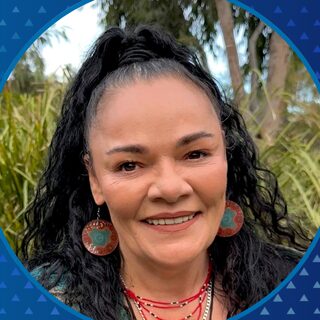 PlenaryJem StoneCo-Founder and Director, Indigenous Psychedelic Assisted Therapies (IPAT)Weaving Worlds: Indigenous and Western Knowledge Systems in Psychedelic Assisted Therapies
 PlenaryRachel YehudaIcahn School of Medicine at Mount SinaiMDMA-Assisted Psychotherapy for PTSD in Combat Veterans: What Happens After Treatment Ends
 PlenaryStephen RossNYU Center for Psychedelic MedicineEffects of psilocybin on religious professionals
Speakers
- Rick Doblin PhDMultidisciplinary Association for Psychedelic Studies (MAPS)Boston, USA
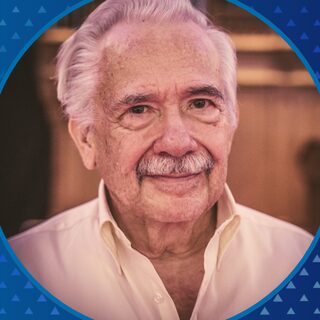 Bill Richards STM, PhDIndependent consultantBaltimore, USA
- Rachel Yehuda PhDIcahn School of Medicine at Mount SinaiUSA
- Jem StoneIndigenous Psychedelic Assisted Therapies (IPAT)Nimbin, Australia
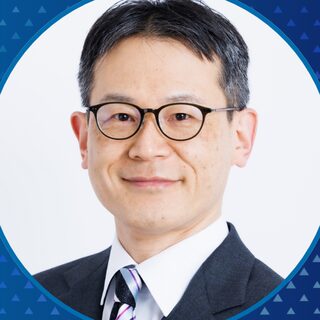 Hiroyuki Uchida MD, PhDDepartment of Neuropsychiatry, Keio University School of MedicineTokyo, Japan
- Vidita Vaidya PhDTata Institute of Fundamental ResearchMumbai, India
- Stephen Ross MDNYU Center for Psychedelic MedicineNew York, USA
 Lowan Stewart MDAxon ClinicOslo, Norway
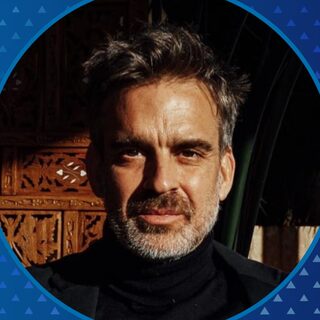 David Erritzoe MD, PhDImperial College LondonLondon, UK
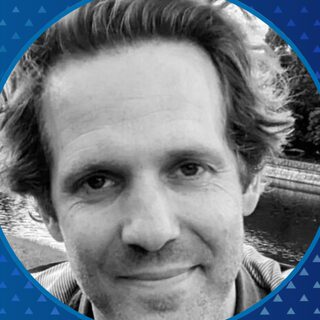 Max Wolff PhDHumboldt University BerlinBerlin, Germany
 Anna-Leigh Hodge PhDUniversity of AucklandNew Zealand
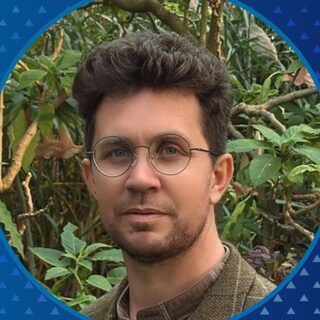 Alex K. Gearin PhDMedical Ethics and Humanities Unit, The University of Hong KongHong Kong
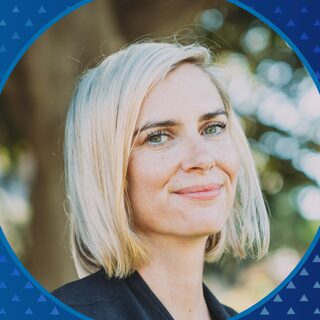 Monica Schweickle GAICD, MClinPsych, BAPsychHonsThe Psychedelic Consultancy and Peridot ClinicNew South Wales, Australia
 Manvir Singh PhDUniversity of California, DavisUSA
 Tehseen Noorani PhDSocial and Community Health, Waipapa Taumata Rau | The University of AucklandAuckland, New Zealand
All presentations are delivered in person, with no remote or pre-recorded sessions.
Key dates
- Early-bird registration closes
- Final program
- Standard registration closes
- Pre-conference workshops
- Conference, The Timber Yard
What to expect
Keynotes
International and regional leaders sharing new research, clinical insights, and perspectives on the future of the field.
Symposia, Talks and Posters
Presentations spanning basic and clinical science, therapeutic practice, implementation, ethics, policy, regulation, culture, philosophy, and the humanities.
Pre-conference Workshops
Optional full- and half-day professional development for clinicians, researchers, and sector leaders.
Social & Networking
A welcoming space to meet others working across psychedelic science and practice, with dedicated opportunities to connect and collaborate.
Conference themes
CAPS27 spans the breadth of psychedelic science. From the lab to the clinic, to policy and culture. Sessions, symposia, and abstracts are organised around four themes:
Substrate
Neuroscience, pharmacology, mechanisms.
Therapeutics
Clinical trials, therapeutic practice, therapist training.
Society
Ethics, policy, regulation, access.
Meaning
Phenomenology, culture, philosophy.
Get involved
CAPS27 is built by the community it serves. Volunteer on the ground, or support the conference as a sponsor or partner. Each kind of support helps build a lasting forum for psychedelic science and practice in the Asia Pacific.
CAPS27 is committed to fostering a welcoming, respectful, and inclusive environment where everyone feels valued and able to participate. We welcome diverse perspectives, backgrounds, disciplines, and lived experiences, recognising that collaboration across these strengthens psychedelic science and its translation into practice.